

If you have more artworks or information of your projects to share with us,
Please sent it to [email protected]
Executive Summary: For beauty brands, corporate gift buyers, and e-commerce retailers, chemical compliance in cosmetic bag manufacturing is a critical legal and commercial requirement. Substandard bags containing excessive phthalates, extractable heavy metals (lead, cadmium, hexavalent chromium), or restricted azo dyes expose importers to severe customs seizures, costly Proposition 65 statutory notices (60-day notices), and brand reputational damage. This technical guide outlines the primary global chemical safety frameworks—California Proposition 65, EU REACH (EC 1907/2006) SVHC, US CPSIA, and OEKO-TEX Standard 100—and explains how professional OEM factories implement upstream raw material screening, lot-by-lot lab testing, and traceable Bill of Materials (BOM) management to guarantee 100% compliant export shipments.
Cosmetic bags and beauty toiletry pouches occupy a unique regulatory intersection. While categorized as soft goods or luggage accessories, their intimate contact with skincare formulations, makeup brushes, lipsticks, and personal hygiene items subjects them to heightened chemical scrutiny across North America, the European Union, the United Kingdom, and Australasia.
Non-compliant synthetic substrates—such as low-cost polyvinyl chloride (PVC) plasticized with banned ortho-phthalates, recycled textiles contaminated with alkylphenol ethoxylates (APEOs), or electroplated zipper pulls with high leachable lead content—can trigger catastrophic supply chain failures. Partnering with a vetted OEM & ODM cosmetic bag manufacturer equipped with systematic chemical management protocols prevents regulatory fines and ensures seamless customs clearance across global destination ports.
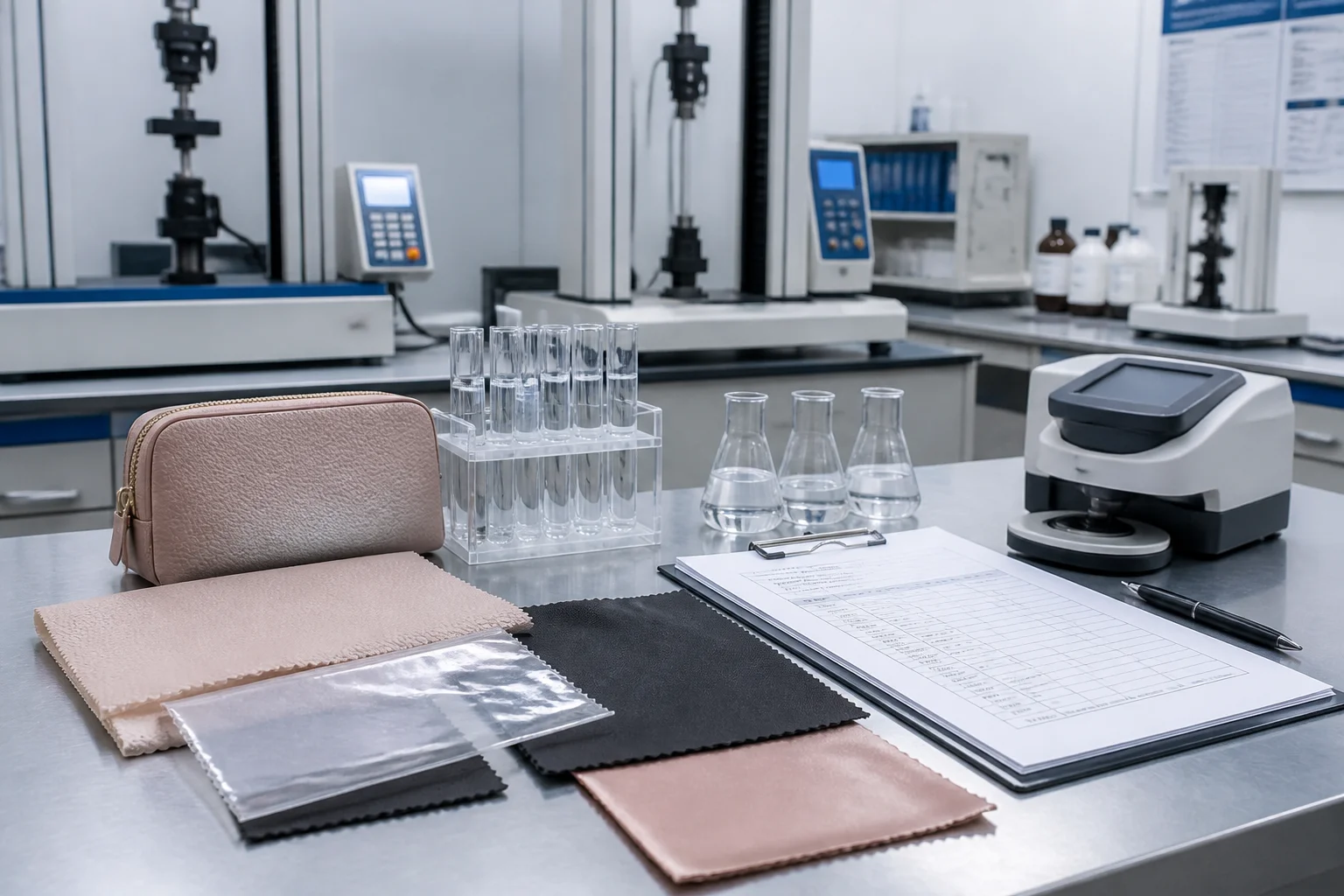
International B2B buyers must structure their technical product specifications around four core regulatory frameworks depending on target distribution jurisdictions:
California Prop 65 requires businesses to provide clear and reasonable warnings if products expose consumers to any of over 900 listed chemicals known to cause cancer, birth defects, or reproductive toxicity. In cosmetic bag manufacturing, enforcement focuses heavily on phthalate plasticizers and heavy metals in synthetic leather (PU/PVC), transparent films, and metal hardware.
Restricted Phthalates (DEHP, DBP, BBP, DINP, DIDP, DnHP): Maximum permissible concentration is strictly capped at ≤ 1,000 ppm (0.1% by weight) per component to avoid settlement liabilities.
Total Lead Content: Surface coatings must not exceed 90 ppm; accessible substrate materials must remain below 100 ppm to 300 ppm depending on settlement precedents.
Cadmium Content: Accessible plastic and metal parts must maintain total cadmium levels below 100 ppm (and ≤ 300 ppm under typical consent judgments).
EU REACH governs the Registration, Evaluation, Authorisation, and Restriction of Chemicals. Cosmetic bags imported into the EU must satisfy Annex XVII restrictions and SVHC (Substances of Very High Concern) notification mandates:
REACH SVHC Candidate List: All cosmetic bag sub-components must contain less than 0.1% (w/w, 1,000 ppm) of any listed SVHC substance (currently over 240 substances, updated semi-annually by ECHA).
Annex XVII Entry 51 & 52 (Phthalate Restrictions): Plasticized materials in articles accessible to consumers must not exceed 0.1% by weight for phthalates including DEHP, DBP, BBP, DIBP, DINP, DIDP, and DNOP.
Annex XVII Entry 43 (Azocolourants): Azo dyes that may release any of the 22 aromatic amines above 30 ppm are strictly prohibited on textiles and leather linings coming into direct and prolonged skin contact.
Annex XVII Entry 27 (Nickel Release): Metal components in prolonged contact with skin (e.g., handles, zipper pulls, metal straps) must demonstrate a nickel release rate below 0.5 μg/cm²/week.
When cosmetic bags, teen beauty pouches, or family toiletry organizers are marketed to or accessible by children (12 years of age or younger), CPSIA mandates mandatory testing by CPSC-accredited third-party laboratories:
Total Lead in Paint & Surface Coatings (16 CFR 1303): ≤ 90 ppm (0.009%).
Total Lead in Substrates: ≤ 100 ppm (0.01%).
Prohibited Phthalates (16 CFR 1307): ≤ 0.1% (1,000 ppm) for eight specified phthalates (DEHP, DBP, BBP, DINP, DIBP, DPENP, DHEXP, DCHP).
For brands sourcing sustainable or eco-friendly cosmetic bags made from RPET (recycled polyethylene terephthalate), organic cotton canvas, or bamboo fabrics, voluntary certifications provide end-to-end chemical security. OEKO-TEX Standard 100 Class II certification validates that fabrics are free from harmful pesticides, chlorinated phenols, formaldehyde, and heavy metals.
Procurement Compliance Alert: Relying on a supplier's verbal promise of "eco-friendly" or "non-toxic" is legally indefensible during an audit or customs hold. Every production batch requires component-level Certificate of Analysis (CoA) documentation and third-party test reports (from accredited bodies such as SGS, Intertek, or TÜV) tied directly to the production lot numbers.
The following engineering matrix outlines the specific chemical risks, international testing standards, and compliance thresholds across each component of a custom cosmetic bag:
| Bag Component | Primary Material Options | High-Risk Target Chemicals | Applicable Test Standard | Mandatory Pass Threshold |
|---|---|---|---|---|
| Shell Outer Fabric | PU Leather, TPU Film, PVC, Recycled Polyester (RPET), Canvas | Ortho-Phthalates, Organotins, DMFa (Dimethylformamide), Azo Dyes, PAHs | EPA 3550C / 8270E, EN 14362-1, ISO 14389 | Phthalates ≤ 1,000 ppm Azo amines ≤ 30 ppm DMFa ≤ 50 ppm |
| Interior Lining | 190T/210D Polyester, Nylon, Recycled RPET, Wipe-Clean TPU | Formaldehyde, PFAS/PFCs (Waterproof coatings), APEOs, Lead | ISO 14184-1 (Formaldehyde), EPA 537M (PFAS), CPSC-CH-E1002-08.3 | Formaldehyde ≤ 75 ppm Total Lead ≤ 100 ppm Zero added PFAS (where mandated) |
| Zippers & Teeth | Nylon Coil Zipper, Metal Teeth, Waterproof TPU-Taped Zippers | Lead in zipper teeth/tape, Phthalates in TPU tape, Nickel release | CPSC-CH-E1001-08.3, EN 1811 (Nickel), EN 14372 | Total Lead ≤ 100 ppm Nickel release < 0.5 μg/cm²/week Phthalates ≤ 1,000 ppm |
| Metal Hardware & Badges | Zinc Alloy Pullers, Brass Studs, Stainless Steel Buckles | Extractable Lead, Cadmium, Hexavalent Chromium (Cr VI), Nickel | CPSC-CH-E1001-08.3, EN 71-3, ISO 17075 (Cr VI) | Lead ≤ 90 ppm (coating) / 100 ppm (metal) Cadmium ≤ 100 ppm Cr VI ≤ 3 ppm |
| Interlining & Padding | EVA Foam, PE Foam, Sponge Foam, Non-Woven Cardboard | Formamide, Short-Chain Chlorinated Paraffins (SCCP), Flame Retardants (PBDEs) | EN 71-9 / GC-MS, EPA 3540C, EPA 8270 | Formamide ≤ 200 ppm SCCP ≤ 1,500 ppm PBDEs ≤ 1,000 ppm |
| Adhesives & Edge Inks | Water-Based Glue, Solvent-Based Polyurethane, Edge Painting Ink | Volatile Organic Compounds (VOCs), Toluene, Benzene, Heavy Metals | EPA 5021A / GC-MS, EN 71-3 | Benzene ≤ 5 ppm Toluene ≤ 1,000 ppm Heavy metals within EN 71-3 bounds |
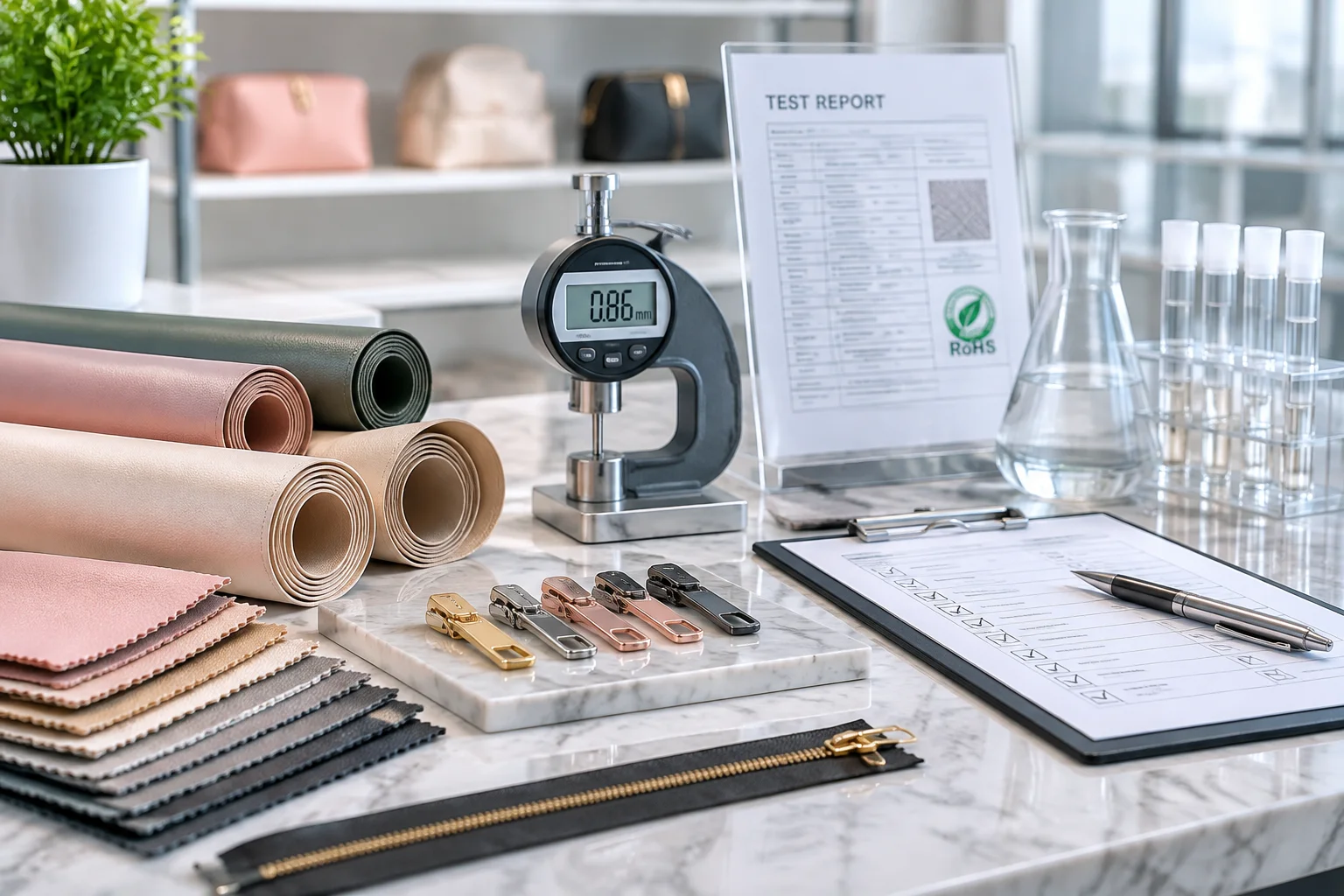
Achieving defect-free chemical compliance requires more than just testing finished bags at the final stage. Guangzhou BEARKY Bag Co., Ltd. implements a multi-tiered chemical risk control architecture spanning supplier auditing, incoming raw material control, clean manufacturing, and pre-shipment verification across our Guangzhou manufacturing facility:
Compliance begins with raw material origins. We partner exclusively with certified fabric mills, tannery processors, and hardware platers who maintain certified OEKO-TEX, GRS, or ISO 14001 environmental management systems. Every incoming roll of PU leather, TPU film, lining fabric, and hardware carton is logged with lot-specific Safety Data Sheets (SDS) and mill test certificates.
Upon arrival at our warehouse, raw materials undergo physical and chemical IQC. Handheld X-ray Fluorescence (XRF) analyzers are utilized to conduct non-destructive, instantaneous screening of metal hardware (zipper sliders, snap buttons, logo badges) and synthetic coatings for Lead (Pb), Cadmium (Cd), and total heavy metal levels. Any sub-component failing initial screening is immediately quarantined and rejected.
To eliminate solvent residues, DMFa, and harmful VOCs, BEARKY emphasizes the use of water-based solvent-free PU leather and eco-compliant hot-melt waterborne adhesives. This ensures that interior cavities remain odorless and safe for direct placement of cosmetic applicators and sensitive skincare containers.
Cross-contamination during stitching and assembly is prevented by maintaining dedicated clean-assembly lines. After final stitching and thread trimming, 100% of finished bags pass through dual-head conveyorized needle detector machines (detecting ferrous metal fragments ≥ 0.8mm) to ensure absolute consumer safety before export packaging.
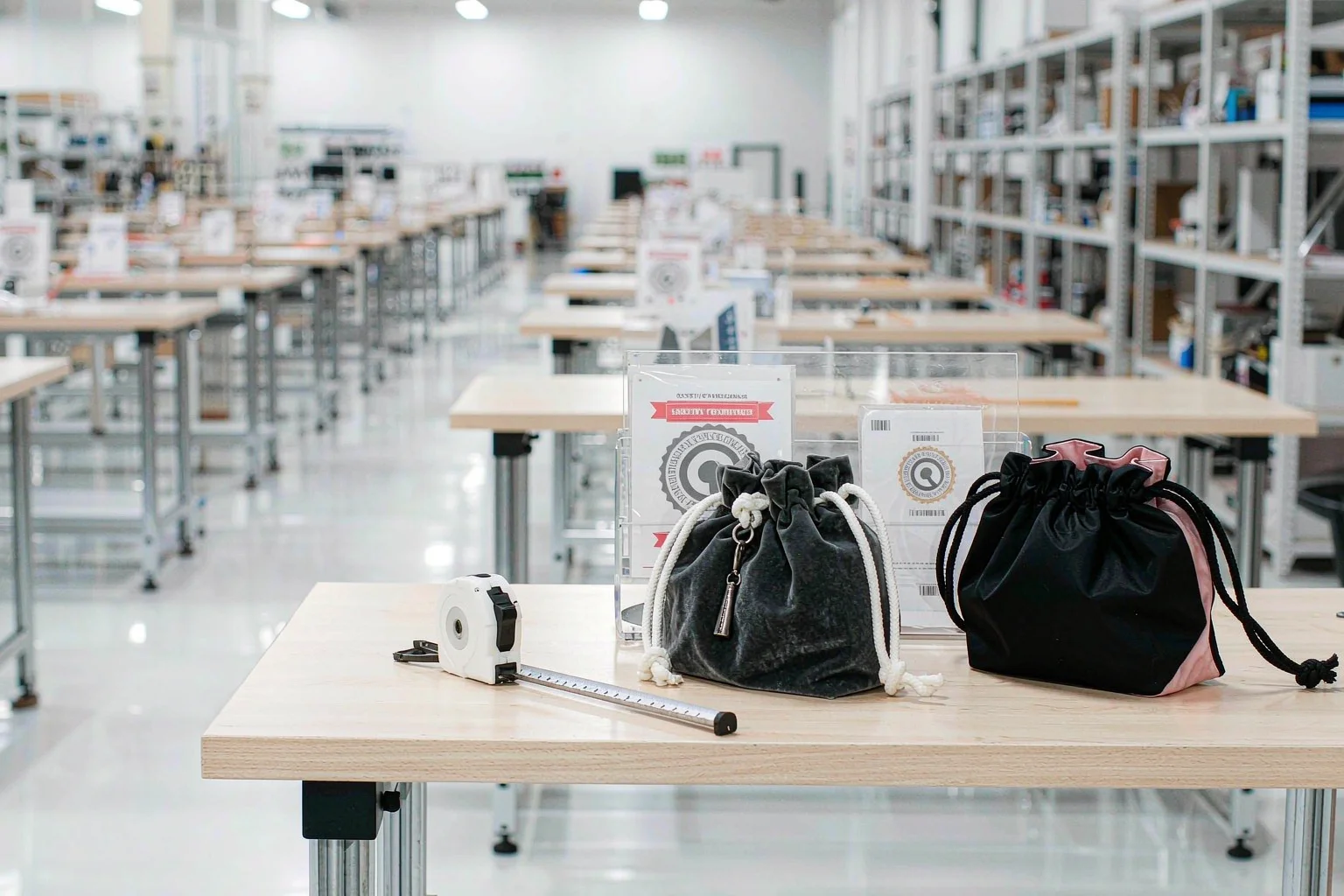
Before issuing Purchase Orders (PO) or releasing final production balance payments, supply chain directors should execute the following 5-point verification checklist with their OEM manufacturer:
Request Third-Party Lab Test Reports Issued Within the Last 12 Months: Verify that testing was performed by accredited institutions (SGS, Intertek, TÜV, Bureau Veritas) on the exact material grades, colors, and finishes contracted for your order.
Review BOM Component-Level Compliance Declarations: Ensure that trims, interlinings, pullers, and piping are covered under the chemical guarantee, not merely the exterior shell fabric.
Confirm Prop 65 / REACH SVHC Scope Coverage: Verify that the testing panel includes the latest updated candidate list substances and relevant California settlement limits (≤ 1,000 ppm phthalates, ≤ 90 ppm surface lead).
Validate Odor and VOC Outgassing Standards: Conduct sensory and airtight chamber outgassing checks to ensure cosmetic pouches do not impart chemical odors to beauty retail products.
Establish Contractual Quality Assurance Terms: Incorporate chemical compliance warranties into your OEM supply agreement, stipulating full factory liability and 100% replacement/refund guarantees in the event of regulatory testing failure.
The BEARKY Chemical Safety Guarantee: As an experienced Quality Control & Certifications compliant manufacturer, Guangzhou BEARKY Bag Co., Ltd. provides comprehensive chemical compliance support for global beauty brands. We supply verified raw material test reports, support custom lab testing with international inspection agencies, and enforce a 5-step QC inspection with 100% refund guarantee for defective batches.
California Proposition 65 is an exposure-based labeling and liability law requiring warnings for over 900 chemicals if present above safe harbor levels, with enforcement primarily driven by private citizen lawsuits focusing on lead, cadmium, and phthalates (≤ 1,000 ppm). EU REACH is a mandatory chemical restriction regulation (EC 1907/2006) that prohibits the sale of goods containing Annex XVII restricted substances (e.g., specific phthalates, azo dyes, nickel release) and requires notification for SVHC substances exceeding 0.1% (1,000 ppm) by weight.
Flexible PVC requires chemical plasticizers to achieve softness and flexibility. Traditional low-cost PVC often utilizes ortho-phthalates (such as DEHP, DBP, DINP), which are restricted endocrine disruptors. In compliant cosmetic bag production, factories must either substitute with non-phthalate plasticizers (e.g., DOTP, ATBC) or transition to inherently non-toxic, recyclable TPU (Thermoplastic Polyurethane) films.
Yes, provided the recycled feedstock is rigorously controlled and certified under Global Recycled Standard (GRS). High-grade RPET sourced from post-consumer recycled plastic bottles undergoes rigorous decontamination, washing, and re-pelletizing to eliminate volatile contaminants, ensuring compliance with OEKO-TEX Standard 100, REACH, and Prop 65 requirements.
Testing costs vary depending on the chemical panel requested. A standard California Prop 65 screening (Total Lead + 6 Phthalates) typically ranges from $150 to $350 per composite material group. A full EU REACH SVHC screen (240+ substances) ranges from $400 to $800. Professional OEM factories often consolidate testing by utilizing pre-certified raw material lots to minimize per-style testing expenses for buyers.
Before shipment, the manufacturer should provide: (1) Raw Material Mill Test Reports / Certificate of Analysis (CoA), (2) Third-party laboratory test reports (SGS/Intertek/TÜV) for representative materials, (3) Bill of Materials (BOM) chemical declaration of conformity, (4) In-house XRF heavy metal screening log, and (5) Final AQL 2.5/4.0 pre-shipment inspection report.
Guangzhou BEARKY Bag Co., Ltd. enforces strict raw material qualification, utilizes certified non-toxic vegan PU, clear TPU, and OEKO-TEX fabrics, screens incoming hardware via XRF testing, conducts 5-step internal quality inspections, and works directly with buyers' designated testing laboratories to ensure 100% compliance with Prop 65, REACH, CPSIA, and international safety regulations.
Partner with Guangzhou BEARKY Bag Co., Ltd. for fully certified, export-grade custom cosmetic bags. Benefit from 20+ years of OEM/ODM manufacturing expertise, fast 5–10 day physical prototyping, low flexible MOQs, and comprehensive Prop 65 & REACH compliance verification.
Request Compliance Reports & Free Sample
California Office of Environmental Health Hazard Assessment (OEHHA): Proposition 65 Safe Harbor Levels and Chemical List Regulations (oehha.ca.gov).
European Chemicals Agency (ECHA): REACH Regulation (EC No 1907/2006) Candidate List of Substances of Very High Concern (SVHC) (echa.europa.eu).
US Consumer Product Safety Commission (CPSC): Consumer Product Safety Improvement Act (CPSIA) Total Lead and Phthalates Guidance (cpsc.gov).
OEKO-TEX® Association: OEKO-TEX Standard 100 Testing Methods, Limit Values, and Criteria Catalog (oeko-tex.com).
ASTM International: ASTM F963 / ASTM D3951 Standard Specifications for Substrate Safety and Commercial Packaging (astm.org).

500 (Min. Order)
Wholesale & Bulk Price: $1 - 3/PC
Accept Customized Logo / Color / Material
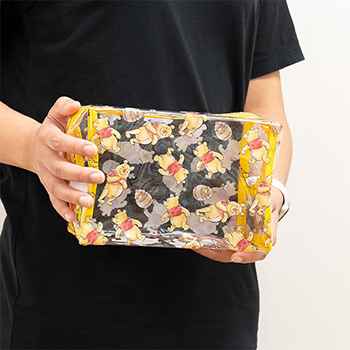
Clear PVC Cosmetic Bag – Playful Printed Makeup Pouch for Kids and Teens
Clear PVC cosmetic pouch with playful printed artwork, easy visibility and waterproof wipe-clean construction for kids, teens, travel and promotional programs. OEM logo and packaging available.

300 (Min. Order)
Wholesale & Bulk Price: $1 - 3/PC
Accept Customized Logo / Color / Material
Waterproof Weekender Cosmetic Organizer
Waterproof weekender cosmetic organizer for wholesale travel and beauty programs, with roomy storage, wipe-clean lining and OEM logo, Pantone color and packaging customization.
500 (Min. Order)
Wholesale & Bulk Price: $1- 3/PC
Accept Customized Logo / Color / Material
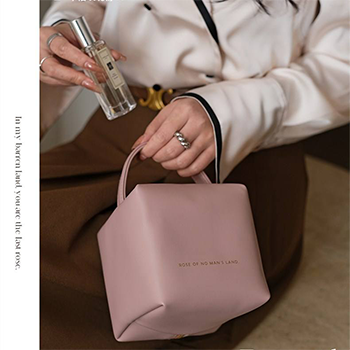
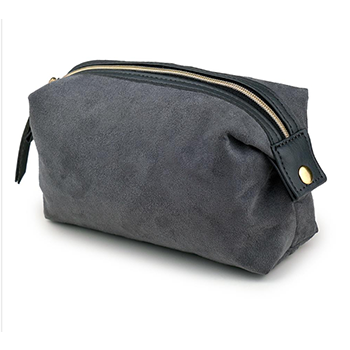
Suede Finish Cosmetic Bag – Minimalist Travel Makeup Pouch with Zipper Closure
Premium suede-look cosmetic pouch for beauty brands and travel retailers, with smooth zipper, waterproof lining option and OEM logo, Pantone color and packaging service.
500 (Min. Order)
Wholesale & Bulk Price: $1- 3/PC
Accept Customized Logo / Color / Material
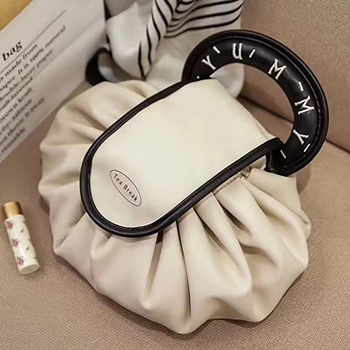
Luxury Drawstring Makeup Bag – Versatile Portable Beauty Pouch with Stylish Handle
Luxury drawstring PU cosmetic pouch with a practical handle for beauty, travel and gifting programs. Customize the logo, Pantone colors and retail packaging with Bearky OEM service.

15 Nov 2026
A comprehensive technical guide for beauty brands, retailers, and cosmetic bag buyers navigating international chemical safety regulations, including California Proposition 65, EU REACH (SVHC & Annex XVII), and heavy metal limits in OEM cosmetic pouch manufacturing.
Private Label Travel Toiletry Bag Sourcing: Materials, MOQ & OEM Guide
4 Nov 2026
A practical B2B sourcing guide for durable, leak-resistant travel toiletry bags and custom Dopp kits, covering fabrics, waterproof construction, branding, MOQ, sampling, and OEM quality control for 2026/2027 programs.
Canton Fair Cosmetic Bag Sourcing: Guangzhou Factory Audit Guide
4 Nov 2026
A practical Canton Fair guide for overseas buyers sourcing cosmetic bags, toiletry pouches and OEM private-label products, with sample checks, MOQ negotiation and Guangzhou factory audit steps.
Sustainable Cosmetic Bag Manufacturing: Eco Fabrics, MOQ & OEM Guide
4 Nov 2026
A practical 2026/2027 B2B guide to RPET, organic cotton, non-toxic TPU and vegan leather cosmetic bags, covering OEM process, MOQ, 5–10 day sampling, compliance and quality control.
15 Oct 2026
A practical manufacturing and procurement roadmap for beauty brand owners, procurement managers, and e-commerce sellers. This guide explains how to calculate true landed costs, streamline prototyping in 5–10 working days, manage a 25–45 day bulk production cycle, and avoid costly supply chain delays when manufacturing custom cosmetic and toiletry bags in China.
.jpg)
Ready to ship and 10% off
Customizable Makeup Bags: Personalize with your logo, colors, and sizes to suit your business needs
View MoreYou can tell us if you have customized needs, We'll replay you within 6 hours.
If you have more artworks or information of your projects to share with us,
Please sent it to [email protected]
Your Name *
Company Name
Your Email *
Online Chat ID(Replay within 10 minutes)
Your Phone
Your Country *
Your Message *
Upload Your File

Best cosmetic bag manufacturers in China
Phone: 0086-13928791997
Email: [email protected]
Skype: sallypeng123
WhatsApp: +8613928791997
No.29-43 Gegang Road Shiling Town Huadu Area Guangzhou Guangdong China 510800
Links: Canvas Bag Manufacturer