How to Check the Quality of a Custom Large Toiletry Bag
Three material checks every buyer should make before placing a bulk order.
Key Takeaways
- Quality checks focus on three areas: the leather, the fabric and the synthetic (PU) materials.
- Genuine full-grain leather feels soft, has a natural texture and recovers quickly when pressed.
- Bag fabrics need toughness as well as looks — denim, canvas, Oxford cloth, linen and microfibre are common choices.
- PU and split leathers are synthetic-faced materials, not real leather, and should be described as such.
- Ask the factory for material samples and spec sheets before confirming a production run.
Why Quality Checks Matter
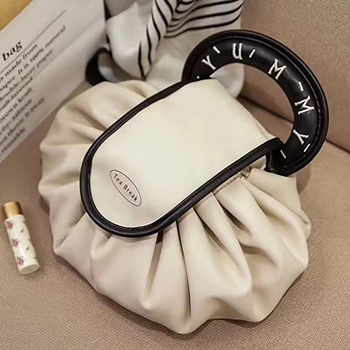
When you customise a large toiletry bag, the material decides how the finished product feels, how long it lasts and how it will be perceived at retail. Three aspects should never be skipped.
.jpg)
1. Check the Leather
Leather is expensive, and the top layer of the hide is what the trade calls genuine leather. Good leather feels soft, shows a natural grain, breathes, has elasticity and recovers quickly when you press lines into it with a finger. If a supplier claims genuine leather, this is the behaviour to look for.
2. Check the Fabric
Fabric is easier to judge. The cloth used for bags is different from apparel fabric: the toughness and resistance to bursting matter far more. Common options include denim, canvas, Oxford cloth, linen and microfibre. The fabric can be selected according to the customer's preference and the bag's intended use.
.jpg)
3. Check Synthetic and PU Materials
Synthetic materials — often called natural leather in factories — are widely used because they are versatile in thickness, hand-feel, texture and chemical composition. When a hide is too thick, the leather processor may split it into two or more sheets. The upper sheet that keeps the cortex structure and texture is called full-grain cowhide; the thinner back layers lack that structure and toughness, so a PU layer is added to the surface. That is what is sold as PU leather or split leather.
If a finish uses bright chemical paint, it is described as patent leather. Understanding these terms prevents a synthetic product being sold to you as genuine leather.
Quality Checklist for Buyers
- Request physical material samples before bulk production.
- Confirm whether leather is full-grain, split or PU-faced.
- Check fabric weight and toughness, not just colour.
- Inspect stitching, zips and lining at the sample stage.
- Ask for the correct material description for labelling and marketing.
.jpg)
FAQ
How can I tell genuine leather from PU leather?
Genuine full-grain leather has a natural grain and springs back when pressed; PU-faced split leather has an applied surface layer and behaves differently.
Which fabric is best for a large toiletry bag?
Canvas, Oxford cloth and microfibre offer a good balance of toughness, weight and cost; linen and denim suit more textured, fashion-led designs.
Should I check the bag before or after production?
Both. Approve materials and workmanship at the sample stage, then inspect a pre-shipment sample from the bulk run.
Can BEARKY supply material samples?
Yes. Contact us with your material and specification requirements and we can advise on suitable options.
Source Custom Toiletry Bags
BEARKY manufactures custom toiletry and cosmetic bags in a range of leather, fabric and synthetic materials. Explore our customisation services and our cosmetic bag collection, read about our factory, or contact us to request samples.



.jpg)