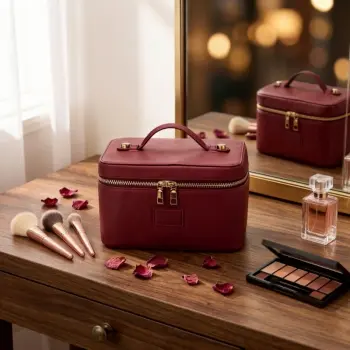
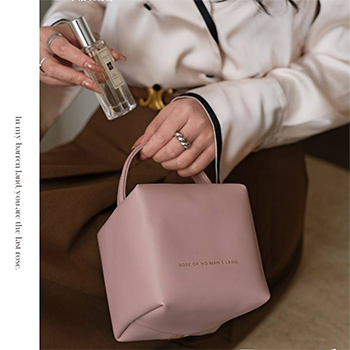
What Is the Custom Cosmetic Bag Sampling Process?
The custom cosmetic bag sampling process turns a brand idea into a physical product that can be reviewed before bulk production. The strongest workflow moves through a clear brief, material and construction decisions, sample review, revisions, approval, and a controlled handoff to production.
Why Should a Beauty Brand Start With a Physical Sample?
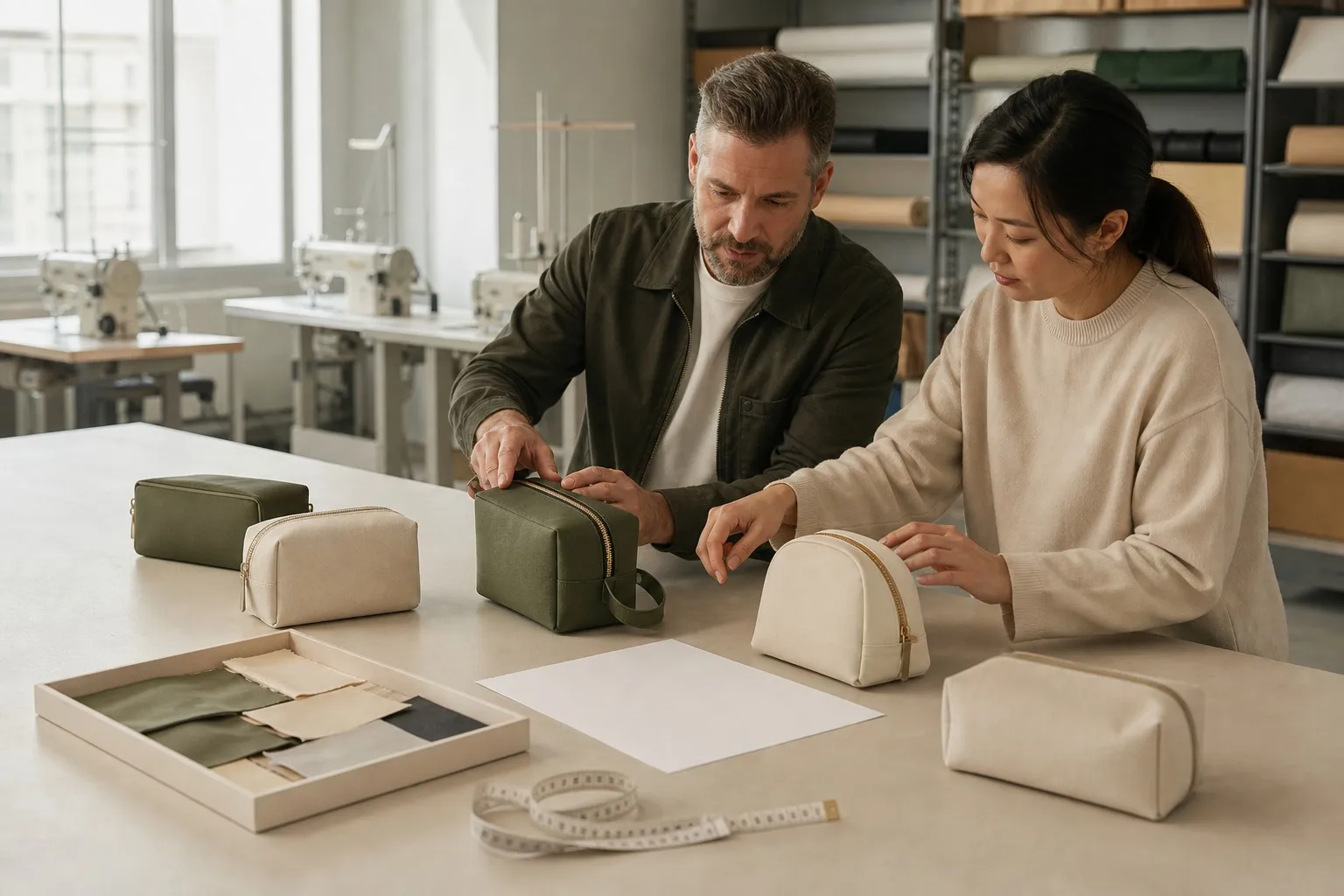
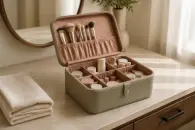
Drawings and reference images can communicate the direction of a cosmetic bag, but they cannot fully show how the pouch opens, how the zipper feels, how the lining behaves, or how the bag stands when filled. A physical sample gives the buying, design, and quality teams one product to inspect together.
Sampling is also a practical way to identify changes before a larger production commitment. The objective is not simply to make a visually attractive prototype. It is to confirm the product brief, construction logic, decoration placement, packaging direction, and approval criteria.
What Information Should You Prepare Before Sampling?
A manufacturer can work more efficiently when the initial brief separates confirmed requirements from open design choices. Prepare the following information:
Product purpose: travel organizer, daily pouch, beauty gift, promotional item, or retail accessory.
Target user and channel: beauty brand, retailer, hotel, wholesaler, subscription box, or promotional campaign.
Visual direction: preferred color family, shape references, logo artwork, print direction, and brand mood.
Functional priorities: easy access, internal organization, visibility, portability, protection, or gift presentation.
Packaging expectations: individual packing, gift presentation, insert cards, or carton requirements.
Destination market: this helps the team discuss applicable material and product-safety review with the buyer.
If an important requirement is still undecided, mark it as open instead of allowing assumptions to become part of the sample.
How Does a Custom Cosmetic Bag Sampling Workflow Usually Work?
1. Turn the idea into a product brief
The first step is to convert references and business goals into a brief that a design and production team can interpret consistently. The brief should identify the product type, intended use, visual direction, branding needs, and approval priorities.
2. Select the construction direction
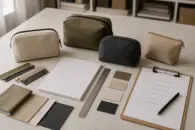
Next, discuss the bag’s opening, body shape, compartments, handle or strap, lining, closure, decoration area, and packaging direction. The construction should support the intended use rather than add features that the buyer does not need.
3. Review materials and decoration options
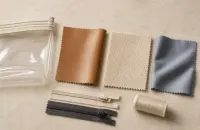
Material and decoration choices affect appearance, hand feel, cleanability, structure, and production risk. A buyer should review material swatches and decoration samples together with the product form, because the same surface can look different on a flat pouch, structured case, or organizer.
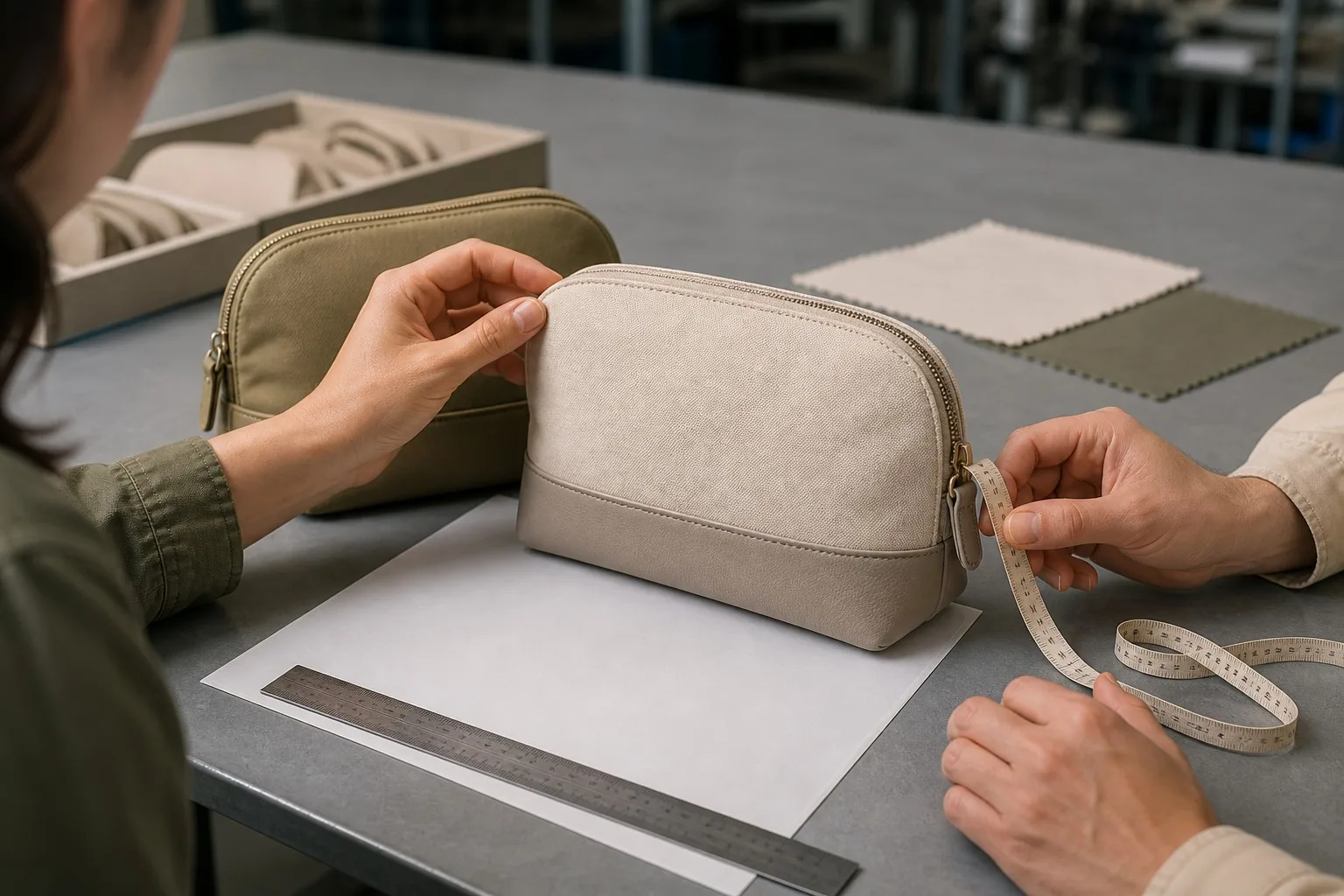
4. Make and inspect the first sample
The first sample is used to test the direction, not to hide open questions. Check the overall silhouette, opening, seam placement, zipper movement, lining, hardware, decoration position, and how the product looks in the intended presentation.
5. Record revisions in one approval document
Use one revision list rather than scattered messages. Record what must change, what is approved, who owns the decision, and which version should be used for the next sample. This reduces the risk of a correction being applied to one component but missed on another.
6. Approve the final sample before bulk production
Before production begins, confirm the approved sample, artwork, color references, packing direction, inspection expectations, and any destination-market documentation required by the buyer. Keep the approved sample available as the physical reference for bulk inspection.
7. Handoff the approved sample to quality control
The approved sample should not remain only with the design team. It needs to become part of the production and quality-control handoff so that appearance and construction can be checked against the agreed reference.
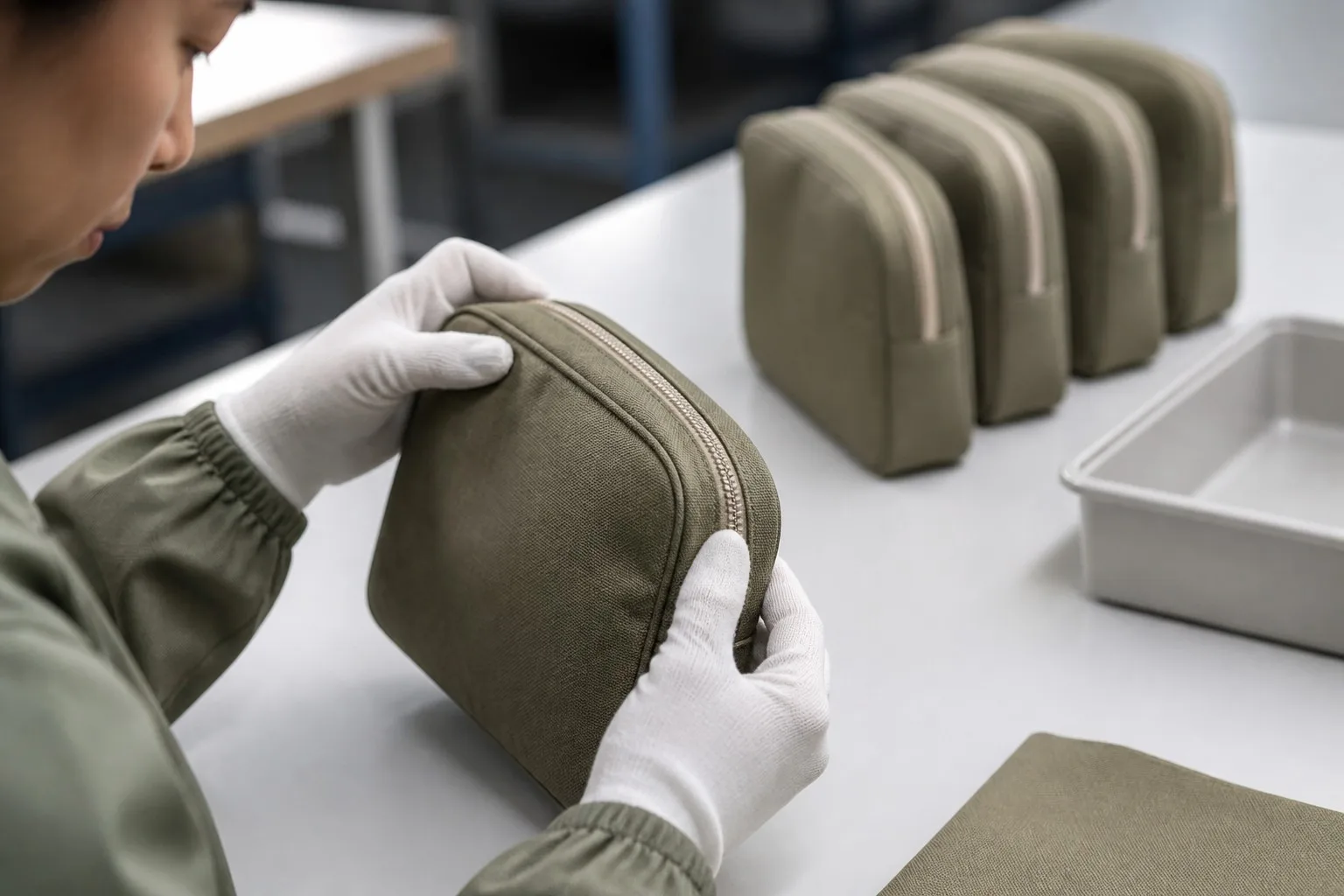
What Should You Check When Reviewing a Cosmetic Bag Sample?
| Review area | Questions to ask | Evidence to keep |
|---|---|---|
| Shape and opening | Does the bag open and stand as expected for the intended use? | Approved sample and revision photos |
| Seams and construction | Are seam lines, corners, binding and reinforcement consistent with the brief? | Close-up sample images and written notes |
| Closure and hardware | Does the zipper or closure operate smoothly and match the product position? | Sample test record |
| Decoration | Is the logo, print or decoration placed correctly and reproduced clearly? | Approved artwork and physical sample |
| Interior | Do lining, pockets and compartments support the intended customer use? | Open-sample photos and checklist |
| Packaging | Does the presentation protect the product and fit the selling or gifting context? | Packing mock-up or approved packing sample |
How Can a Buyer Reduce Sampling Delays?
Send one consolidated brief instead of separate, conflicting instructions.
Use visual references with written notes explaining what should and should not be copied.
Separate confirmed requirements from design options that still need a decision.
Review construction and decoration at the same time instead of approving them in isolation.
Keep one revision record with version names and approval dates.
Ask for a final confirmation of the approved sample before bulk production starts.
How Can BEARKY Support Custom Cosmetic Bag Development?
BEARKY presents OEM/ODM customization for cosmetic bags and other bag categories, with design support, material selection, sampling and production coordination. The current website also describes a broad raw-material selection, sample development support and quality-control processes. Buyers should confirm the exact material, construction, sample timing, production timing and destination-market requirements for each project before approval.
Start with the customization service, review the factory information, browse the cosmetic bag category, and send the brief through the contact page.
Frequently Asked Questions
What is the purpose of a custom cosmetic bag sample?
A sample lets a buyer review the physical product before bulk production, including construction, opening, materials, decoration, interior organization and packaging direction.
Can I start sampling with a reference image?
Yes. A reference image can communicate a visual direction, but the buyer should also state which elements are required, which are only inspiration, and what the bag must do in use.
What should be approved before bulk production?
Approve the final sample, artwork, color direction, construction, packing requirements, inspection expectations and any market-specific documentation required for the order.
Why should revisions be kept in one document?
A single revision record reduces conflicting instructions and makes it easier to confirm which changes belong to the next sample or approved version.
Does a sample guarantee bulk-production consistency?
No. It provides an approved reference. Consistency still depends on production controls, inspection criteria, communication and the quality process agreed with the manufacturer.
Can BEARKY help with design as well as production?
BEARKY’s website describes OEM/ODM customization and design support. Confirm the exact design, sampling and production scope for your project through the official contact channel.
Ready to turn your cosmetic bag idea into a reviewable sample?
Share your design references, use case and target market through the BEARKY contact page.


.jpg)