How to Evaluate a Custom Cosmetic Bag Manufacturer in China: A Practical B2B Checklist
Key Takeaways
Judge a manufacturer on evidence — samples, documentation and a repeatable process — rather than unit price alone.
Confirm whether you need OEM or ODM design support, and agree sampling steps and MOQ logic before ordering.
Approve a detailed sample and specification sheet before bulk production begins.
Request product-specific material and compliance documents for your destination market.
What Should You Check First When Choosing a Cosmetic Bag Factory?
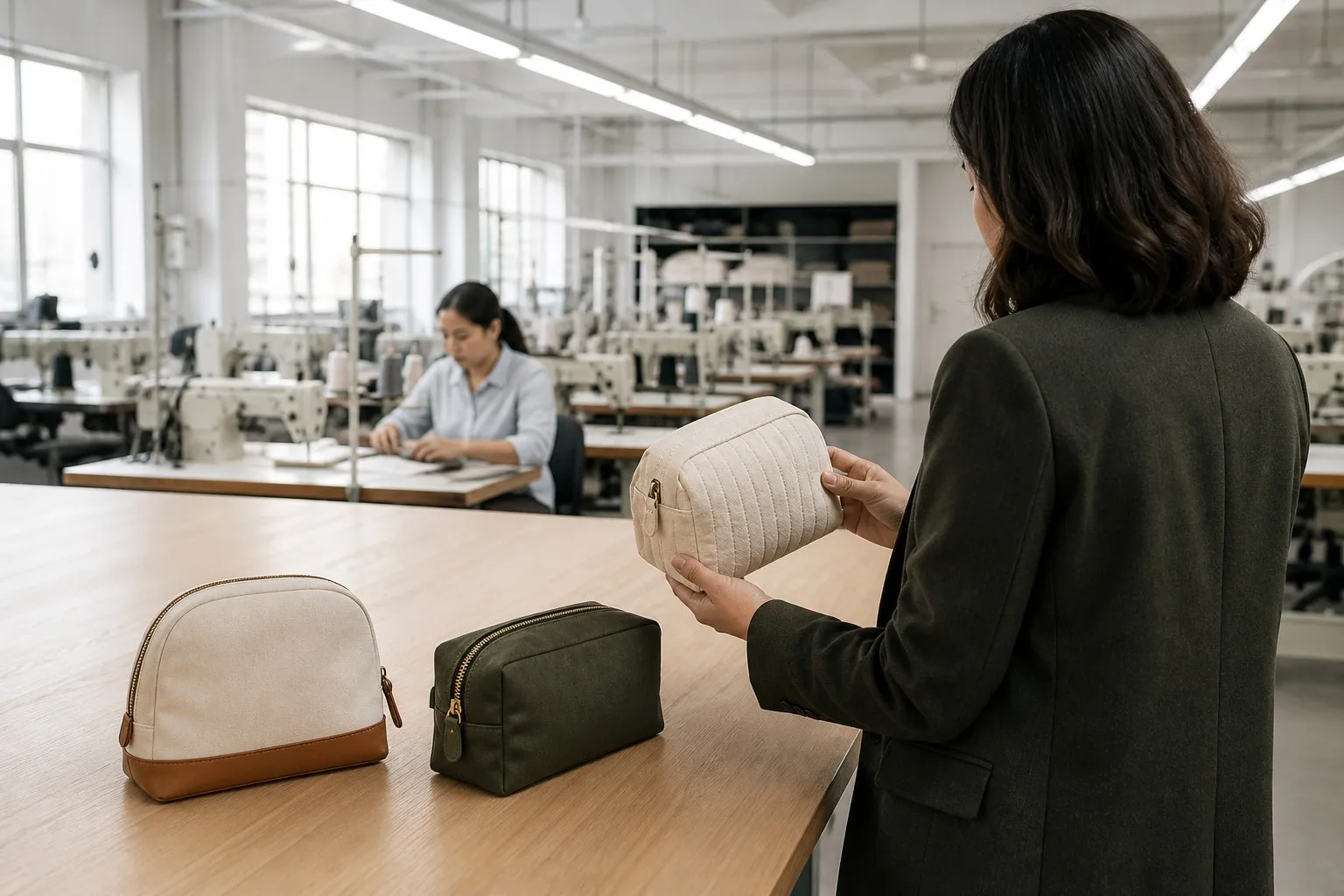
Start with six evidence-based questions:
How long has the manufacturer produced bags for international buyers?
Can the factory develop both a buyer’s existing design and a new ODM concept?
Does the supplier explain MOQ, sampling, materials, inspection, and delivery clearly?
Can the production team repeat the approved sample at bulk scale?
Can the factory provide documentation for the materials and market requirements that apply to your product?
Is there a clear communication and escalation process when specifications change?
A supplier that answers these questions with documents, samples, photographs, and process details is easier to manage than a supplier that only offers a low unit price.
How Do You Verify a Manufacturer’s Experience and Capacity?
Look for production evidence, not only years in a profile
A manufacturer’s experience is useful when it connects to a repeatable process. Ask for examples of similar products, the materials used, the intended application, and the quality checks performed. A cosmetic pouch for a promotional campaign has different requirements from a structured travel organizer or a premium PU leather beauty case.
BEARKY’s official company information describes the business as an OEM and ODM bag manufacturer serving global brands, retailers, wholesalers, and e-commerce businesses. The same page lists more than 20 years of experience, more than 120 skilled workers, 10 production lines, monthly production of more than 350,000 bags, and exports to more than 30 countries. These figures should be treated as supplier claims to verify during your own due diligence, but they provide useful questions for a buyer to ask about capacity and order planning.
See the BEARKY company profile for the current manufacturing overview.
Match capacity to your order pattern
Large capacity does not automatically make a factory right for every project. Check whether the supplier can support:
A small pilot order before a larger launch
Multiple colors or materials in one collection
Repeat orders with consistent dimensions and branding
Seasonal demand peaks
Packaging, labeling, and shipment instructions for your market
Ask the factory to explain how it schedules sampling, material purchasing, production, inspection, and packing. A clear workflow is more valuable than a capacity number without context.
How Do You Evaluate OEM and ODM Capability?
OEM and ODM are different buying paths:
| Buying path | What the buyer provides | What the manufacturer contributes | Best fit |
|---|---|---|---|
| OEM | A defined design, artwork, measurements, and material requirements | Manufacturing, sourcing, sampling, branding, and production | Brands with an approved product specification |
| ODM | A product direction, target market, and desired functions | Existing concepts, design support, materials, sampling, and production | Brands that need faster product development |
| Private label | A selected product plus brand identity and packaging requirements | Logo application, color options, packaging, and production | Retailers, promotional buyers, and new brands |
A capable supplier should explain what is included in design support and what must be supplied by the buyer. BEARKY’s custom service page states that buyers can send a logo or a complete design and receive a design draft or quotation support.
Review the custom bag service page before preparing your inquiry.
What Should a Buyer Check During Sampling?
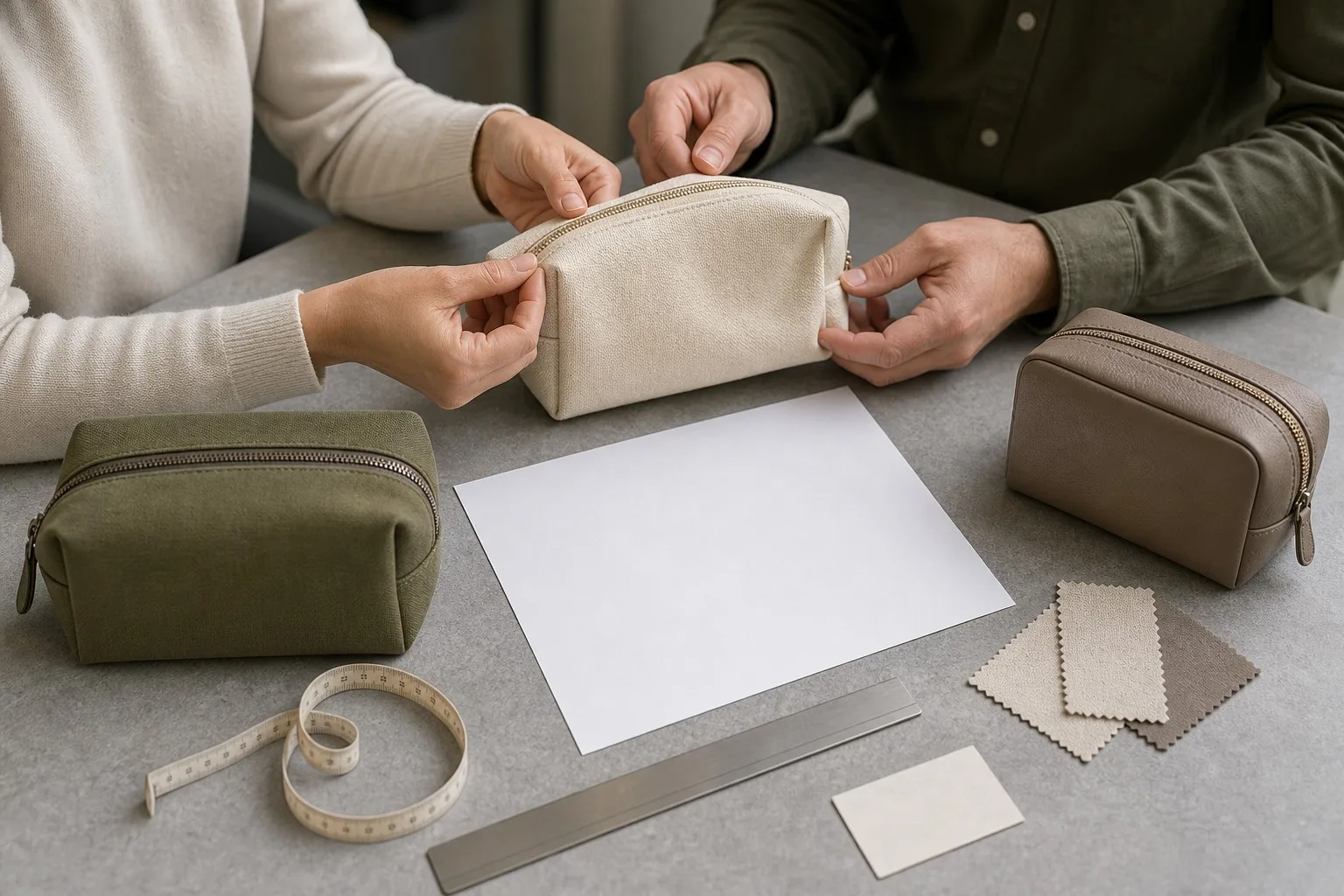
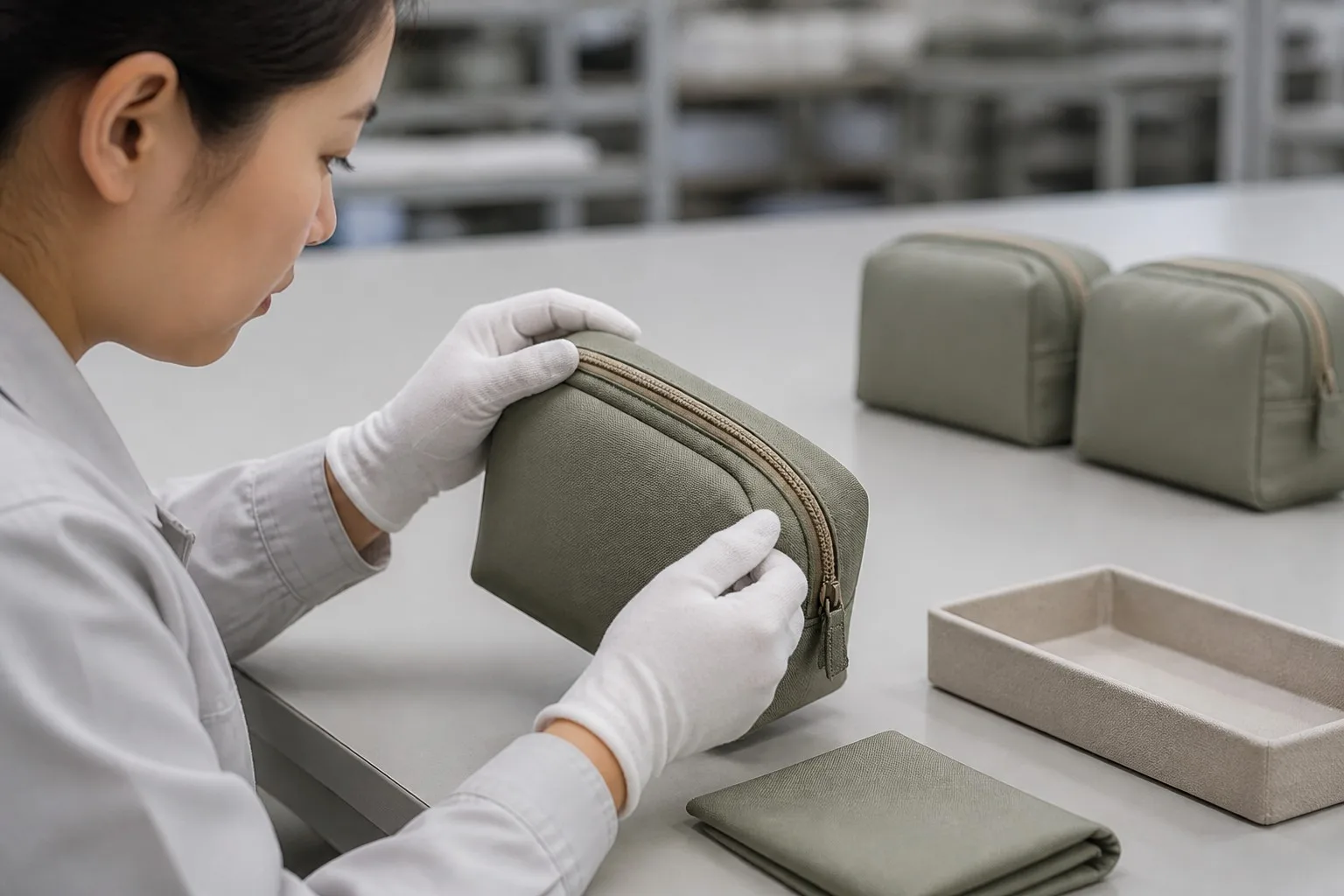
The approved sample is the reference point for bulk production. Do not approve it only because it looks attractive in a photograph. Check the product in the way your customer will use it.
Sample evaluation checklist
Dimensions: Measure length, width, height, gusset, handle drop, and internal compartments.
Construction: Check seam alignment, edge binding, reinforcement points, lining, and structural support.
Hardware: Test zipper movement, pulls, snaps, rings, handles, and any metal or plastic components.
Material: Compare color, hand feel, thickness, surface finish, odor, and flexibility with the specification.
Branding: Check logo position, artwork scale, print or embossing clarity, and color consistency.
Function: Test opening width, visibility, load capacity, portability, and ease of cleaning.
Packaging: Confirm folding, protection, labels, carton marks, and barcode placement.
Create a signed or digitally approved specification sheet. It should include drawings, tolerances, material names, color references, branding artwork, packaging requirements, and the date of approval.
How Do MOQ, Sampling, and Pricing Affect Supplier Selection?
MOQ should be evaluated against your launch plan, not viewed as an isolated number. A lower MOQ can reduce inventory risk for a new brand, while a higher MOQ may be appropriate for a stable retail program with predictable demand.
Ask for a quotation that separates:
Sample development and sample shipping
Material and hardware costs
Logo or branding setup
Packaging and labeling
Unit price at different order quantities
Inspection or testing costs, if applicable
Freight terms and destination assumptions
Never compare two quotations until you confirm that they describe the same size, material, lining, hardware, logo method, packaging, and inspection standard. A cheaper quotation may exclude important elements.
What Quality and Compliance Questions Should You Ask?
The compliance documents you need depend on the destination market, product materials, chemical finishes, packaging, and customer requirements. A buyer should ask the manufacturer which documents are available for the specific product rather than assuming that a general factory certificate covers every item.
Relevant questions include:
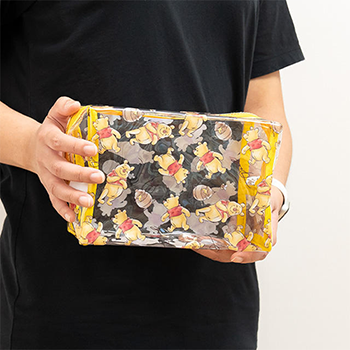
Which material specifications can you provide for the selected fabric, coating, leatherette, or transparent material?
Can you support testing or documentation requested by the destination market?
How are incoming materials inspected?
What are the in-process and final inspection checkpoints?
Can the buyer appoint a third-party inspection company?
How are defective products handled and documented?
Can the factory provide social-compliance information when required by the buyer?
The amfori BSCI framework explains how social risks can be identified, assessed, verified, and mitigated across supply chains. It is a useful reference when building a supplier due-diligence checklist, but buyers should still verify the current status and scope of any supplier-specific assessment.
For chemical requirements in the European market, consult the European Commission REACH overview and the applicable REACH legal text. Product-specific compliance should be confirmed with the manufacturer and, where necessary, a qualified testing provider.
How Can You Compare Cosmetic Bag Manufacturers Fairly?
Use a weighted scorecard instead of choosing by price alone.
| Evaluation area | Suggested questions | Evidence to request |
|---|---|---|
| Product capability | Has the supplier produced similar structures and materials? | Comparable samples and product references |
| Design support | Can the team interpret artwork and improve construction? | Design draft, technical drawing, sample revisions |
| Quality system | What happens before, during, and after production? | Inspection checklist and quality records |
| Materials | Can the factory identify and control the selected materials? | Material specification and test documents where applicable |
| Capacity | Can the supplier meet the forecast and repeat orders? | Production plan and capacity explanation |
| Communication | Are changes recorded and confirmed? | Specification sheet, approval process, response workflow |
| Commercial fit | Are MOQ, payment, packing, and shipping assumptions clear? | Itemized quotation and order terms |
| Risk management | Is there a process for defects, delays, and changes? | Escalation plan and corrective-action process |
A scorecard makes the decision easier to explain internally and reduces the risk of selecting a supplier only because the first quotation is attractive.
What Red Flags Should You Avoid?
Be cautious when a supplier:
Refuses to identify the actual material or construction method
Cannot provide a revised sample after specification changes
Gives a price without stating size, MOQ, packaging, or branding assumptions
Promises every certification without product-specific documentation
Avoids written confirmation of the approved sample
Cannot explain who checks quality and when
Uses photographs that do not match the quoted product
Changes the delivery or payment terms after approval
These red flags do not automatically prove that a supplier is unsuitable, but they indicate that more evidence is needed before placing a bulk order.
How Do You Prepare a Better RFQ for a Custom Cosmetic Bag?
Send a complete brief with:
Product type and intended use
Reference photographs or sketches
Finished dimensions and tolerances
Material, lining, color, and hardware preferences
Logo artwork and branding method
Estimated order quantity and repeat-order plan
Packaging, labeling, and shipping destination
Required testing, compliance, or inspection documents
Target launch date and sample deadline
Questions that require a written answer
A clear RFQ helps the factory quote the same product you intend to sell. You can also browse the custom cosmetic bag product range to identify suitable starting constructions before requesting a design adjustment.
Frequently Asked Questions
What is the difference between an OEM and an ODM cosmetic bag manufacturer?
An OEM manufacturer produces a buyer-defined design. An ODM manufacturer can contribute existing concepts, design support, or product development in addition to manufacturing. Many factories support both paths, but the exact design service should be confirmed before ordering.
How many samples should I request before bulk production?
The number depends on the product complexity and revision history. At minimum, approve a sample that confirms construction, material, branding, and packaging requirements. For a complex collection, approve each materially different size or construction before mass production.
Is a low MOQ always better for a new brand?
A low MOQ can reduce inventory exposure, but it may affect unit cost, material availability, or customization options. Compare MOQ with your launch forecast, cash flow, and expected repeat orders.
What should be included in a cosmetic bag quotation?
The quotation should identify the product specification, materials, size, logo method, packaging, MOQ, price quantity, lead-time assumptions, payment terms, and shipping basis. Ask the supplier to list exclusions.
Can a factory help create a cosmetic bag design?
Some OEM/ODM manufacturers provide design support. Confirm whether the service includes a design draft, technical drawing, pattern development, sample revisions, and artwork adjustments. BEARKY states on its custom service page that buyers can send a logo or complete design for design-draft and quotation support.
How do I verify quality before placing a large order?
Approve a detailed sample and specification sheet, request the factory’s inspection process, define acceptable tolerances, and consider a pre-shipment inspection. Keep records of all approvals and changes.
What compliance documents do cosmetic bags need?
Requirements depend on the materials, finishes, destination market, packaging, and buyer program. Ask for product-specific material and testing documentation and check the legal requirements for the market where the product will be sold.
How can I start a custom bag project with BEARKY?
Prepare your artwork, product requirements, estimated quantity, and destination market, then contact BEARKY through the official contact page to request design and quotation support.
Start Your Custom Cosmetic Bag Project
If you are comparing suppliers for a new cosmetic bag collection, start with a complete product brief rather than a price-only request. Send the design, material preference, estimated quantity, logo artwork, and destination market to BEARKY’s custom bag team for a more useful first quotation.
Reference Sources and Editor Review
Editor review: Confirm the final product-specific compliance documents, current factory statistics, MOQ, sample charges, lead time, and shipping terms with BEARKY before publication. Do not present general factory information as a guarantee for every future order.


.jpg)